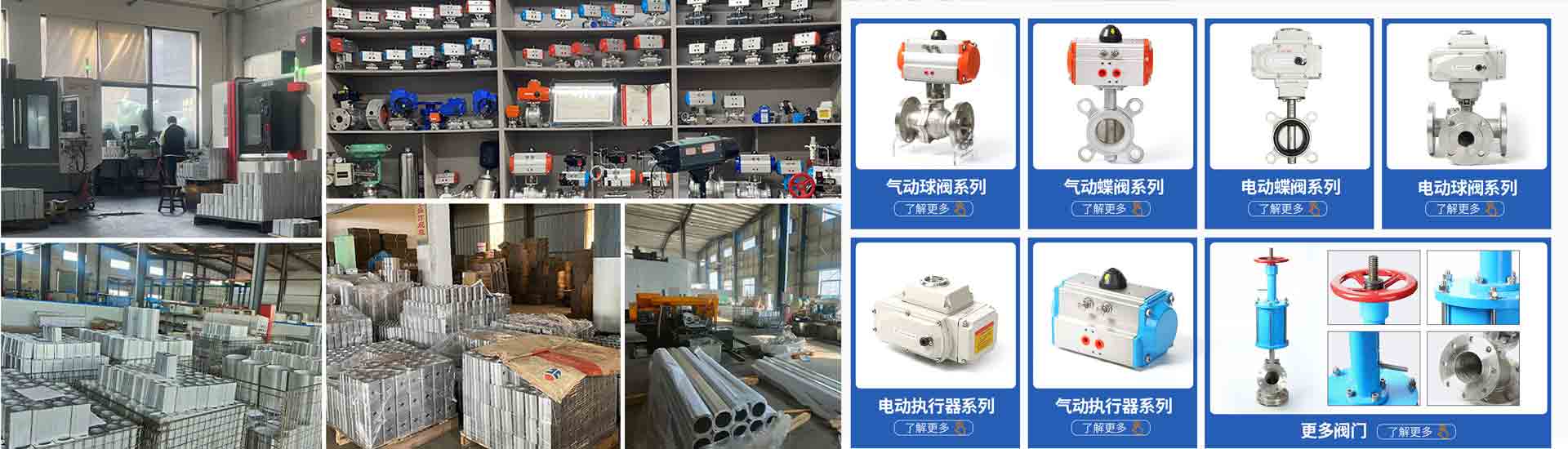
There are many types of pneumatic valves. How to choose the valve that suits you
The selection of suitable pneumatic valves should consider the following factors:
1. Characteristics of the medium
Types: gas, liquid, steam, corrosive media, etc.
Temperature: The working temperature range of the medium.
Pressure: The pressure level of the medium.
Corrosivity: Whether it has corrosiveness affects the material selection.
2. Valve type
Globe valve: suitable for situations that require tight closure.
Ball valve: suitable for fast switching and low flow resistance applications.
Butterfly valve: suitable for high flow and low pressure drop applications.
Gate valve: suitable for fully open or fully closed, not used for regulating flow.
Regulating valve: used for controlling flow and pressure.
3. Valve material
Valve body material: cast iron, cast steel, stainless steel, alloy steel, etc., selected according to the characteristics of the medium.
Sealing materials: PTFE, EPDM, NBR, etc., need to be resistant to medium corrosion and temperature.
4. Connection method
Flange connection: suitable for large pipe diameters and high pressures.
Threaded connection: suitable for small diameters and low pressures.
Welding connection: suitable for high temperature and high pressure applications.
5. Executing Agency
Single acting: Spring reset, suitable for fail safe applications.
Double acting: Bidirectional pneumatic control, suitable for occasions that require frequent operation.
Torque requirement: Select the appropriate torque actuator based on valve size and pressure.
6. Control mode
Switch type: Simple on/off control.
Adjustable type: requires * * control of flow or pressure.
7. Environmental conditions
Temperature: Whether the ambient temperature is extreme.
Protection level: Whether special protection such as explosion-proof and waterproof is required.
8. Standards and certifications
Industry standards: such as API, ANSI, DIN, etc.
Certification requirements: such as ATEX, CE, etc.
9. Cost
Initial cost: The price of valves and actuators.
Maintenance cost: Long term maintenance and replacement costs.
10. Suppliers and Services
Supplier reputation: Choose suppliers with good after-sales service.
Technical support: Ensure that suppliers can provide technical support.
Selection steps
Determine requirements: Clearly define parameters such as medium, pressure, temperature, etc.
Select valve type: Choose the appropriate valve type according to your needs.
Material selection: Select the valve body and sealing material based on the characteristics of the medium.
Select actuator: Choose the actuator based on the valve size and operating requirements.
Determine connection method: Select the connection method based on the pipeline system.
Consider environmental conditions: Ensure that the valve is suitable for the working environment.
Cost assessment: Taking into account both initial and maintenance costs.
Select supplier: Choose a reputable supplier.
By following the above steps, suitable pneumatic valves can be selected.